GLP-1s May Finally Have a Side Effect That Patients Want
And it’s got nothing to do with “Ozempic face.”

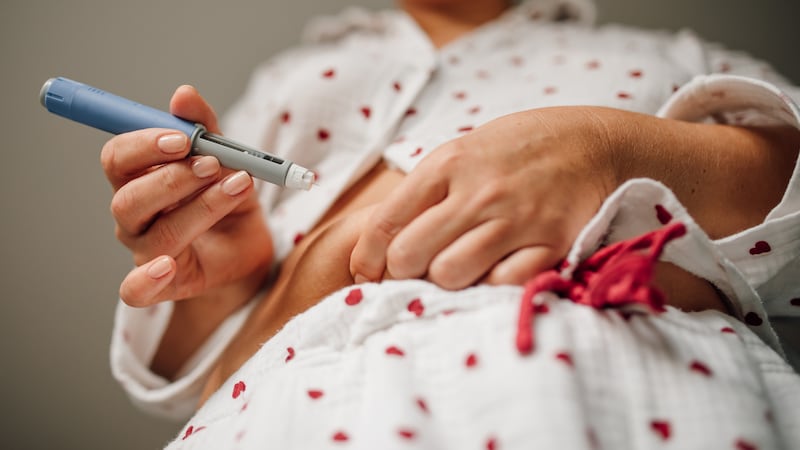
Tatsiana Volkava/Getty Images
GLP-1 medications have become known for a growing list of side effects, from nausea and thinning hair to loose skin and muscle loss.
Their possible side effect being reported, however, may actually offer good news for a change.
Popular weight-loss drugs such as Wegovy, Saxenda, and Zepbound could lower the risk of age-related macular degeneration, a common eye disease that can permanently damage a person’s vision, according to a study published in Diabetes, Obesity and Metabolism.
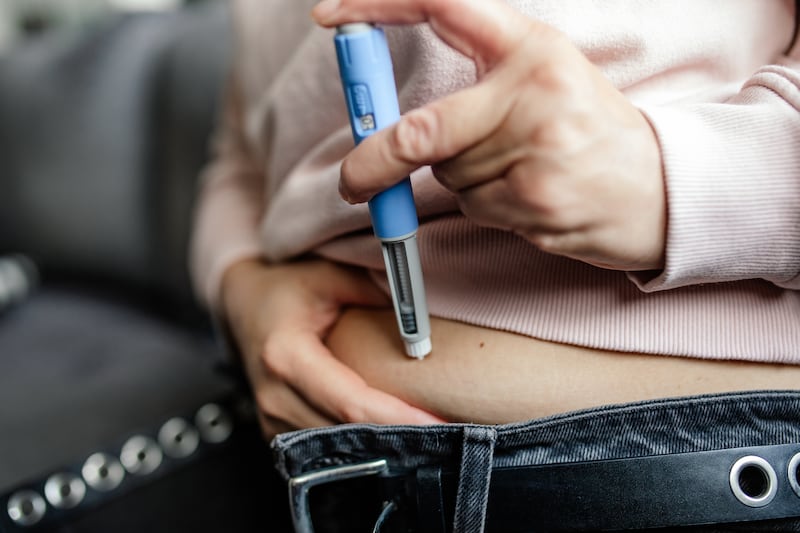
Researchers have linked certain GLP-1 weight-loss drugs to non-scarring alopecia.
Tatsiana Volkava/Getty Images
Researchers found that older adults with obesity who took GLP-1 drugs were 18 percent less likely to develop the condition than those who used other weight-loss medications.
Age-related macular degeneration, or AMD, damages the center of the retina, the light-sensitive tissue at the back of the eye.
Get a First Look
Sign up to receive news and updates from The Looker
By clicking "Sign Up" you agree to our Terms of Use and Privacy Policy.
The disease can make it harder to read, drive, see faces, and recognize fine details. It is also a leading cause of permanent vision loss among older adults.
A research team led by clinical pharmacology researcher Cheng-Hsien Hung of Chung Shan Medical University in Taiwan analyzed patient data from 157,880 people.
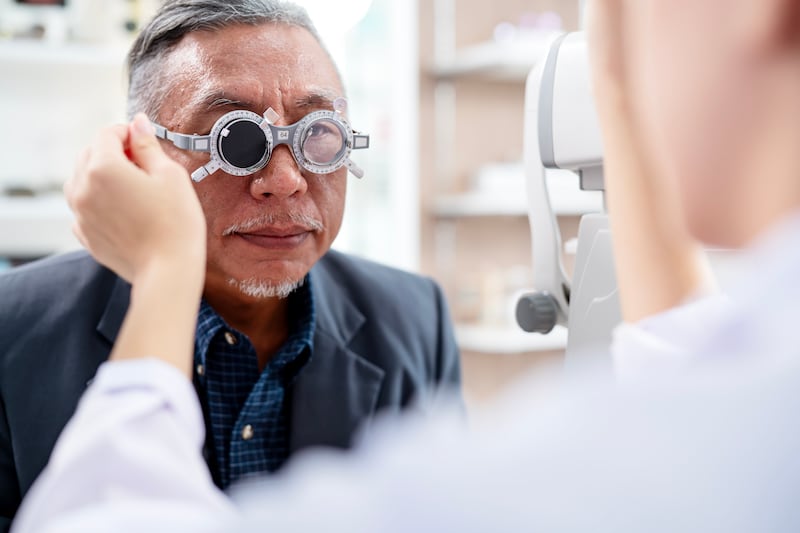
AMD typically affects adults 50 and older.
Nitat Termmee/Getty Images
Half of the patients had begun taking a GLP-1 medication—liraglutide, semaglutide, or tirzepatide—to manage their weight. The other half used different prescription weight-loss drugs.
During the follow-up period, people taking GLP-1s developed AMD at a significantly lower rate.
The apparent benefit rose to 30 percent when patients’ records listed AMD without specifying which form they had.
Scientists are not yet sure why the drugs may help protect people’s eyesight.

One possibility is that GLP-1s reduce inflammation inside the retina. Another is that patients taking the drugs simply lost more weight than those taking other medications.
The researchers said the benefit could come from weight loss reducing inflammation and harmful stress in the body, both of which may contribute to eye disease.

“Weight loss per se reduces systemic inflammation and oxidative stress, which may independently reduce AMD risk,” they wrote.
GLP-1 medications generally produce more weight loss than older treatments, meaning the apparent eye benefit may come from the weight loss itself rather than anything unique about the drugs.
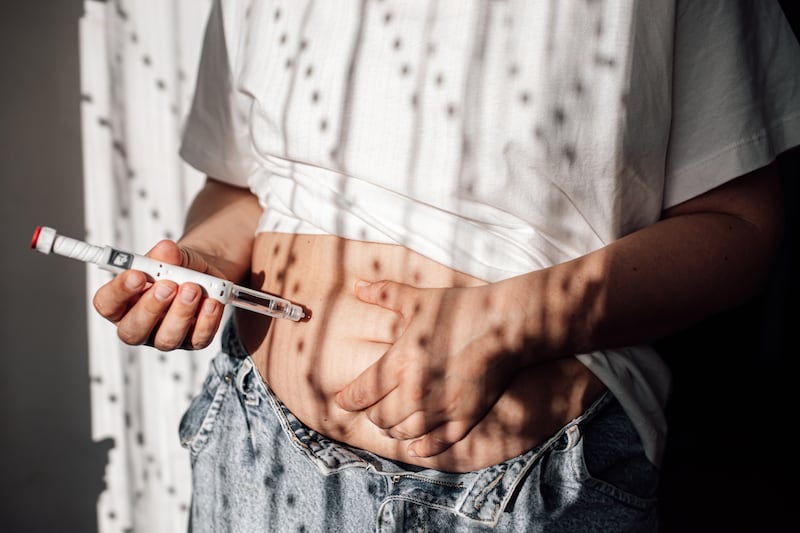
Scientists are still trying to determine whether GLP-1 use alone affects AMD.
Iuliia Burmistrova/Getty Images
“If the effect is primarily weight-loss mediated, the therapeutic implication shifts from ‘GLP-1RAs are retinally neuroprotective’ to ‘greater weight loss by any means may protect against AMD,’” the researchers wrote.
They called that “an important distinction” that requires more study.

The authors also warned that the study found a connection, not proof that GLP-1 drugs prevent AMD.
“Whether the observed benefit reflects direct GLP-1RA retinal neuroprotection, greater weight-loss magnitude or both cannot be determined from the current observational data,” they concluded.

Tennis great Serena Williams poses for an ad campaign by U.S. telehealth firm Ro for GLP-1 weight-loss medicines manufactured by drugmakers Novo Nordisk and Eli Lilly, in Florida, U.S., July 2025, Ro/Handout via REUTERS THIS IMAGE HAS BEEN SUPPLIED BY A THIRD PARTY
Ro/via REUTERS
The possible perk arrives as America’s GLP-1 obsession continues to grow.
One in eight U.S. adults said in a 2025 KFF poll that they were currently taking a GLP-1 medication for weight loss, diabetes, or another condition.
Oprah Winfrey has enthusiastically credited the medication with calming the relentless “food noise” that once dominated her thoughts.
“I feel more alive and more vibrant than I’ve ever been,” the 72-year-old media mogul told People.

Oprah Winfrey has lost over 50 lbs taking glp-1 medications.
AUDE GUERRUCCI/REUTERS
Other celebrities have been more candid about the drugs’ less glamorous realities.
Buying Beverly Hills star Sophia Umansky, the 26-year-old daughter of The Real Housewives of Beverly Hills star Kyle Richards, documented what she described as “dramatic” hair loss after taking Mounjaro.

In an April 2025 TikTok, Umansky displayed clumps of hair she had collected in her bathroom and joked that she would be “bald” within a week.
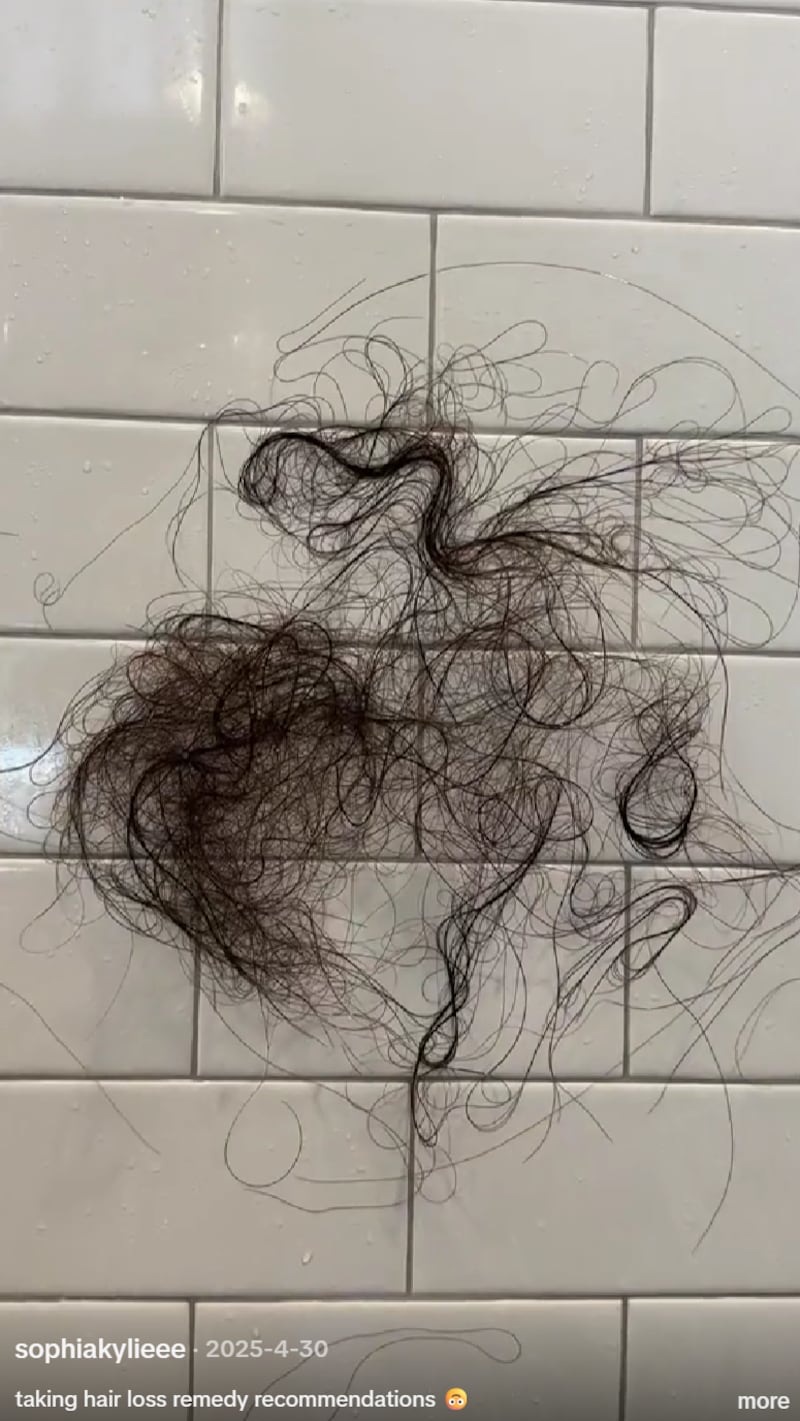
Umansky showed her followers the rapid hair shedding she experienced after taking GLP-1 medication.
Sophia Umansky/ TikTok
Commonly reported GLP-1 side effects include nausea, vomiting, diarrhea, constipation, and abdominal pain. Rapid weight loss can also contribute to loose skin, muscle loss, and temporary hair shedding.
Protecting people’s eyesight would be a far more welcome addition to that list.
Still, the researchers said longer studies tracking both weight loss and eye health are needed before the drugs can be credited with saving anyone’s vision.
Unlock a year of full access to The Looker and The Daily Beast for $35.
AnnualSave 47%
- Discounted annual rate
- Access to all articles (web + app)
- Ad-free exclusive newsletters
- Commenting Access
- Daily crossword
- Sneak peek of launches & events
Monthly
- Access to all articles (web + app)
- Ad-free exclusive newsletters
- Commenting Access
- Daily crossword
- Sneak peek of launches & events
Ad-Free
- Premium ad-free reading
- Access to all articles (web + app)
- Ad-free exclusive newsletters
- Commenting Access
- Daily crossword
- Sneak peek of launches & events
Looks like you already have a subscription!
You're all set!
Thanks for subscribing.
Register below to read this article for free or subscribe to unlock unlimited access to The Looker and The Daily Beast.
AnnualSave 47%
- Discounted annual rate
- Access to all articles (web + app)
- Ad-free exclusive newsletters
- Commenting Access
- Daily crossword
- Sneak peek of launches & events
Monthly
- Access to all articles (web + app)
- Ad-free exclusive newsletters
- Commenting Access
- Daily crossword
- Sneak peek of launches & events
Ad-Free
- Premium ad-free reading
- Access to all articles (web + app)
- Ad-free exclusive newsletters
- Commenting Access
- Daily crossword
- Sneak peek of launches & events
Already have an account? Sign In
Looks like you already have a subscription!
You're all set!
Thanks for subscribing.
Sign in
Login dialog
Loading comments…