Marilyn Monroe Doc Shines Light on Her Hidden Health Battle
The legendary blonde quietly suffered from a debilitating condition for decades.

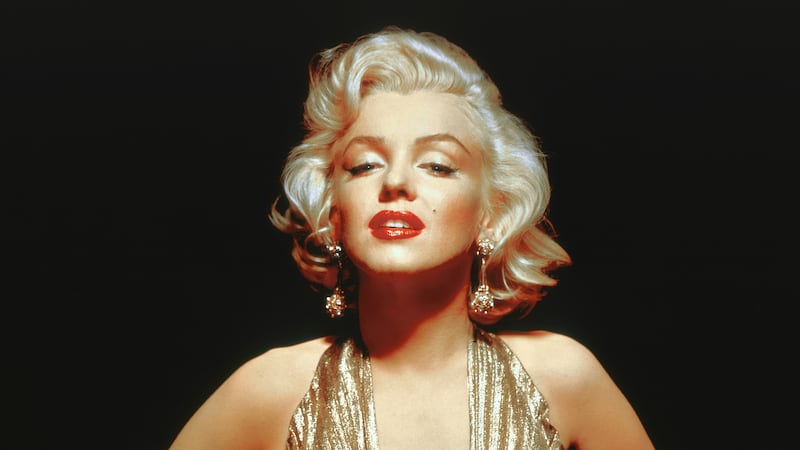
Sunset Boulevard/Corbis via Getty Images
A new documentary is using Marilyn Monroe’s hidden health struggles to spotlight a disease that still leaves millions of women fighting for answers decades later.
End of the Cycle, a documentary about endometriosis, sheds new light on Marilyn Monroe’s private battle with the condition, which her biographer Anthony Summers said was so severe that it “destroyed her marriages, her wish for children, her career and ultimately her life.”
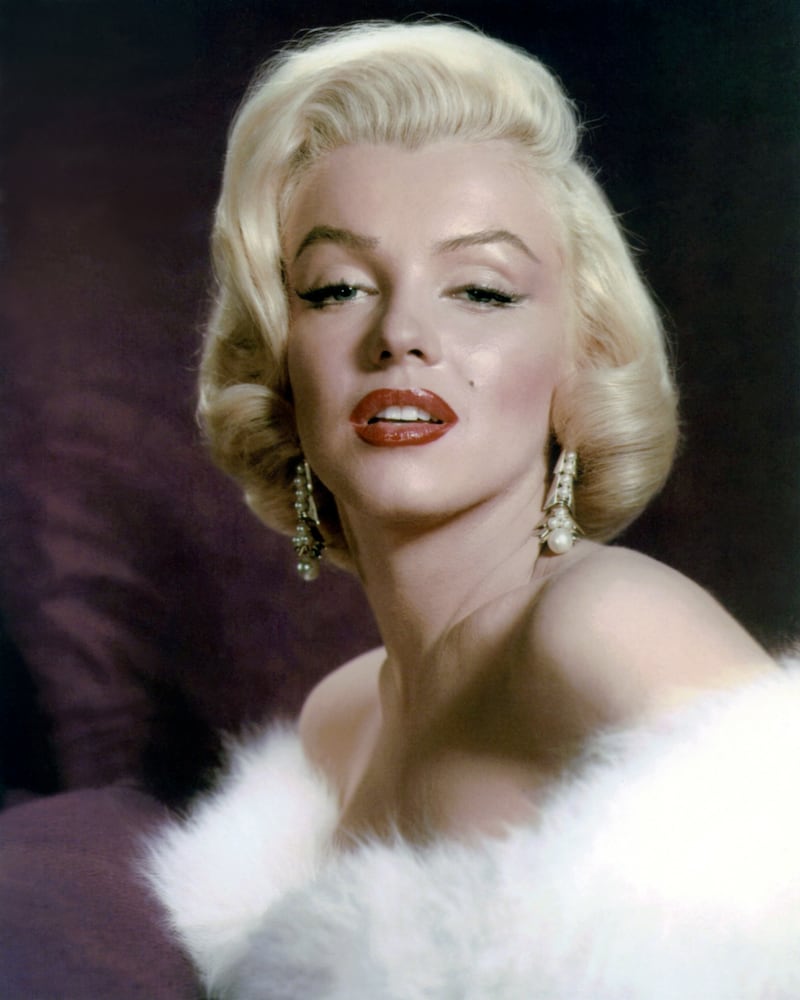
Marilyn Monroe began suffering from endometriosis in her teen years.
Sunset Boulevard/Corbis via Getty Images
The documentary follows co-director Sammy Jaye, who also suffers from endometriosis, a disease estimated to affect more than 265 million women globally.
“The way she’s been portrayed all these years has not been accurate,” Jaye said during a screening of the documentary at New York City’s Whitby Hotel. “If anyone mentions Marilyn Monroe in a negative way, you can revert back to this and know what she was going through at a time when she couldn’t have said anything, and there wasn’t social media.”

Treatment for endometriosis remains limited even for stars like Monroe.
Mike Segar/REUTERS
Summers, who authored the 1985 biography Goddess: The Secret Lives of Marilyn Monroe, confirmed the actress’ diagnosis with the help of her physician while researching the book.
Get a First Look
Sign up to receive news and updates from The Looker
By clicking "Sign Up" you agree to our Terms of Use and Privacy Policy.
Looking back decades later, he admitted he initially underestimated the extent to which the disease shaped Monroe’s life.

“I had no notion of its real significance to her entire adult life,” Summers said in the documentary. “From the age of 16, when she first married, she had significant pain.”
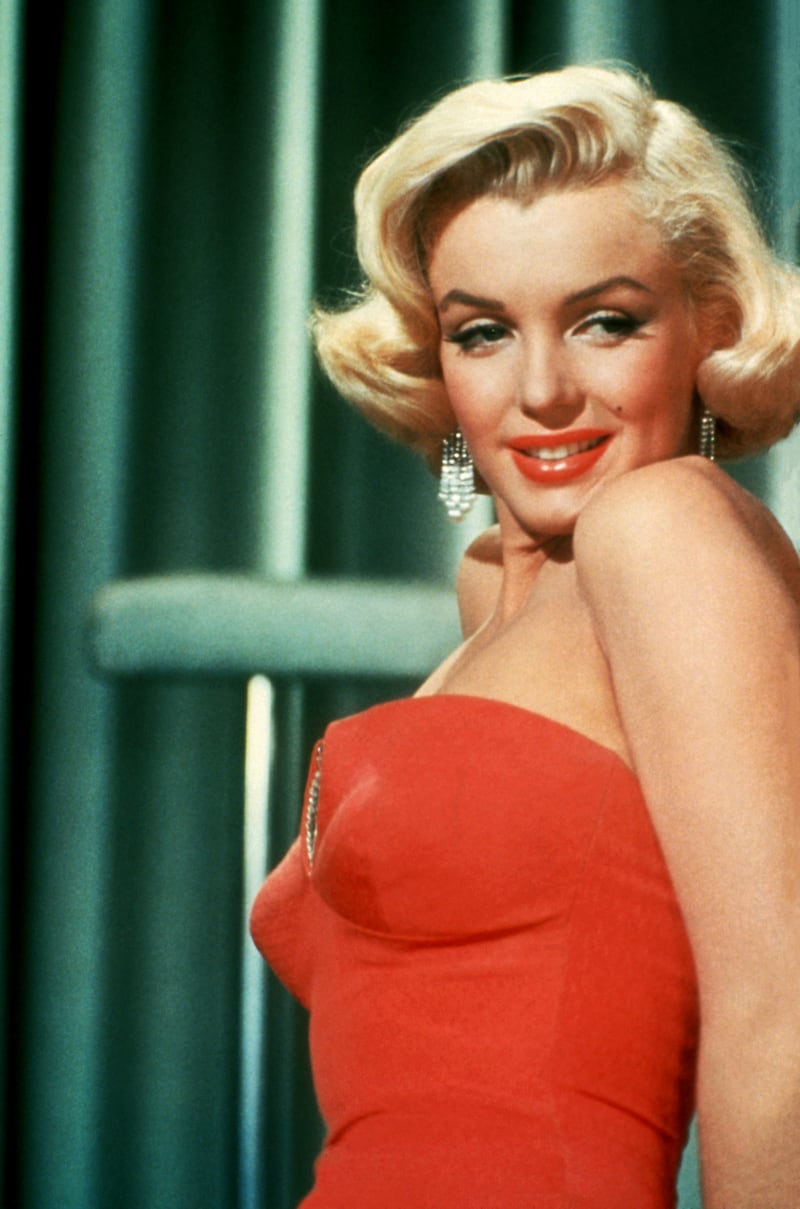
The model refused to have her ovaries removed because of her life-long dream of having children.
TPLP/Getty Images
Endometriosis occurs when tissue similar to the uterine lining grows outside the uterus, often causing chronic pelvic pain, inflammation, painful periods, gastrointestinal symptoms, and infertility.
With no cure, current treatments largely focus on symptom management through hormonal birth control, hormone-suppressing medications, pain relievers, and surgery to remove endometrial lesions.
Monroe’s first husband, Jim Dougherty, recalled the extent of her suffering while speaking to Summers.
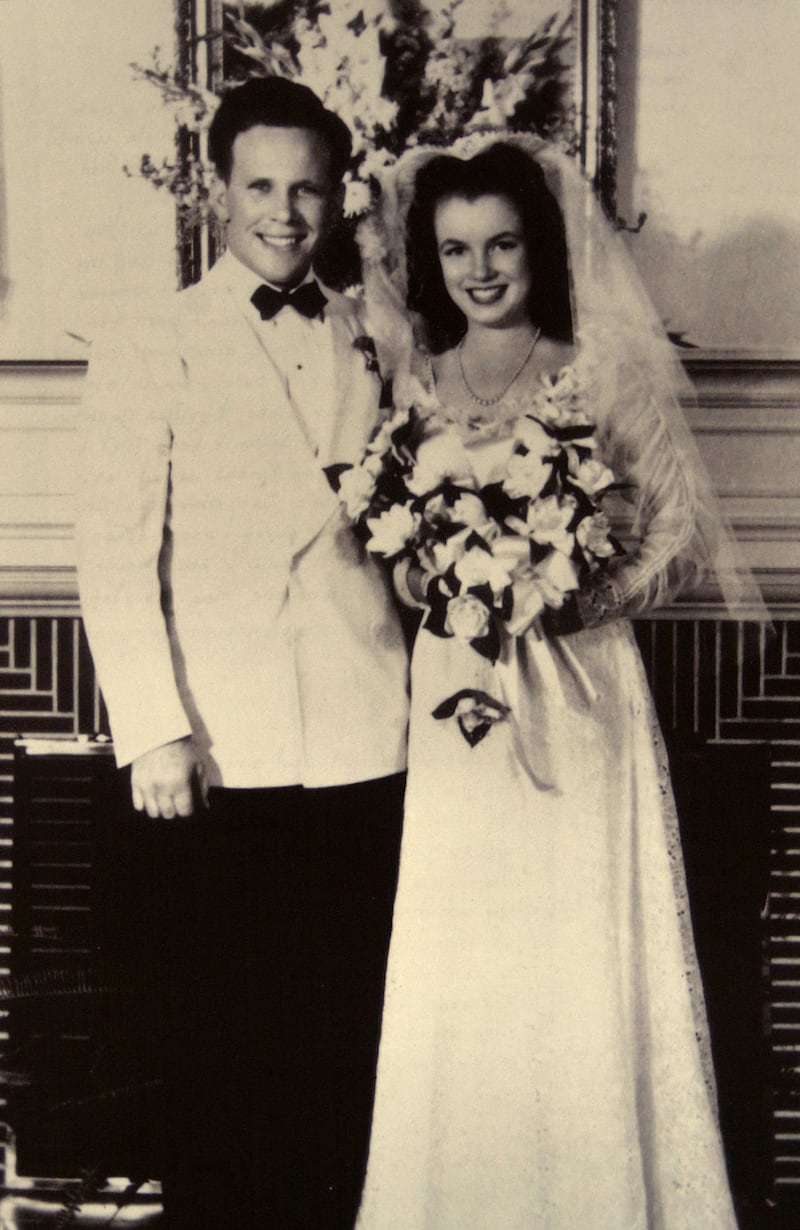
Monroe's ex-husband Jim Dougherty said her symptoms left her "writhing" in pain.
Portland Press Herald/Getty Images
“Norma Jeane had so much trouble during her menstrual periods the pain would just about knock her out,” Dougherty told Summers. “Marilyn would sometimes say, ‘Stop the car,’ and she would lie on the grass verge beside the road writhing in pain.”
In an audio recording featured in the documentary, Monroe’s close friend Amy Greene described witnessing the actress’ agony firsthand. “It was like her whole womb was crying,” Greene said in the 1982 tape.
The pain became so severe that Greene accompanied the frightened star to a gynecologist appointment. According to Greene, the doctor suggested she undergo a hysterectomy if Monroe’s symptoms were so unbearable—a plan that the actress immediately rejected.

“No, I want to have children,” Greene recalled Monroe replying, “That’s why I have to go through all this pain.”
In another archival recording, photographer and close friend Milton Greene said Monroe wanted children “more than anything in the world,” describing the star as “excellent” with children and someone who “understood them better than any mother I’ve known.”
The documentary also highlights a deeply personal note Monroe wrote to her doctor before a 1952 appendectomy. Although the surgery had nothing to do with her reproductive organs, Monroe anxiously begged physicians not to remove her ovaries.

Several of Marilyn Monroe's prescription medicine receipts dated from 1961 are displayed with her photograph.
Fred Prouser/REUTERS
“I know it seems vain…the fact that I’m a woman is important and means much to me,” Monroe continued. “For God’s sake, Dear Doctor, no ovaries removed.”
With few options beyond repeated recommendations for hysterectomies, Monroe relied heavily on medication to cope with her symptoms.
“It’s very striking to me to know the extent to which she was medicated all the time,” Summers said. “No less than 14 boxes of pills, almost all were painkillers prescribed for menstrual cramps.”
For Jaye, Monroe’s story is also a reminder of how little progress many patients feel has been made.

Monroe was unable to have children because of her disease and died in 1962 without fulfilling her dream.
Mario Anzuoni/REUTERS
“You look at what has and hasn’t changed over the past 100 years with treatments and medicines … not much has changed,” she said while reflecting on what would have been Monroe’s 100th birthday.
Despite affecting millions of women worldwide, endometriosis received about $28 million in NIH funding in 2024—less than some comparable reproductive health conditions, including Crohn’s disease, which received roughly $90 million.
The condition’s impact also extends beyond physical symptoms. Research has found that people with endometriosis face elevated risks of anxiety, depression, and self-harm.
Unlock a year of full access to The Looker and The Daily Beast for $35.
AnnualSave 47%
- Discounted annual rate
- Access to all articles (web + app)
- Ad-free exclusive newsletters
- Commenting Access
- Daily crossword
- Sneak peek of launches & events
Monthly
- Access to all articles (web + app)
- Ad-free exclusive newsletters
- Commenting Access
- Daily crossword
- Sneak peek of launches & events
Ad-Free
- Premium ad-free reading
- Access to all articles (web + app)
- Ad-free exclusive newsletters
- Commenting Access
- Daily crossword
- Sneak peek of launches & events
Looks like you already have a subscription!
You're all set!
Thanks for subscribing.
Register below to read this article for free or subscribe to unlock unlimited access to The Looker and The Daily Beast.
AnnualSave 47%
- Discounted annual rate
- Access to all articles (web + app)
- Ad-free exclusive newsletters
- Commenting Access
- Daily crossword
- Sneak peek of launches & events
Monthly
- Access to all articles (web + app)
- Ad-free exclusive newsletters
- Commenting Access
- Daily crossword
- Sneak peek of launches & events
Ad-Free
- Premium ad-free reading
- Access to all articles (web + app)
- Ad-free exclusive newsletters
- Commenting Access
- Daily crossword
- Sneak peek of launches & events
Already have an account? Sign In
Looks like you already have a subscription!
You're all set!
Thanks for subscribing.
Sign in
Login dialog
Loading comments…