Why More Women Need to Talk About Perimenopause
“It’s not you, it’s the hormones.”

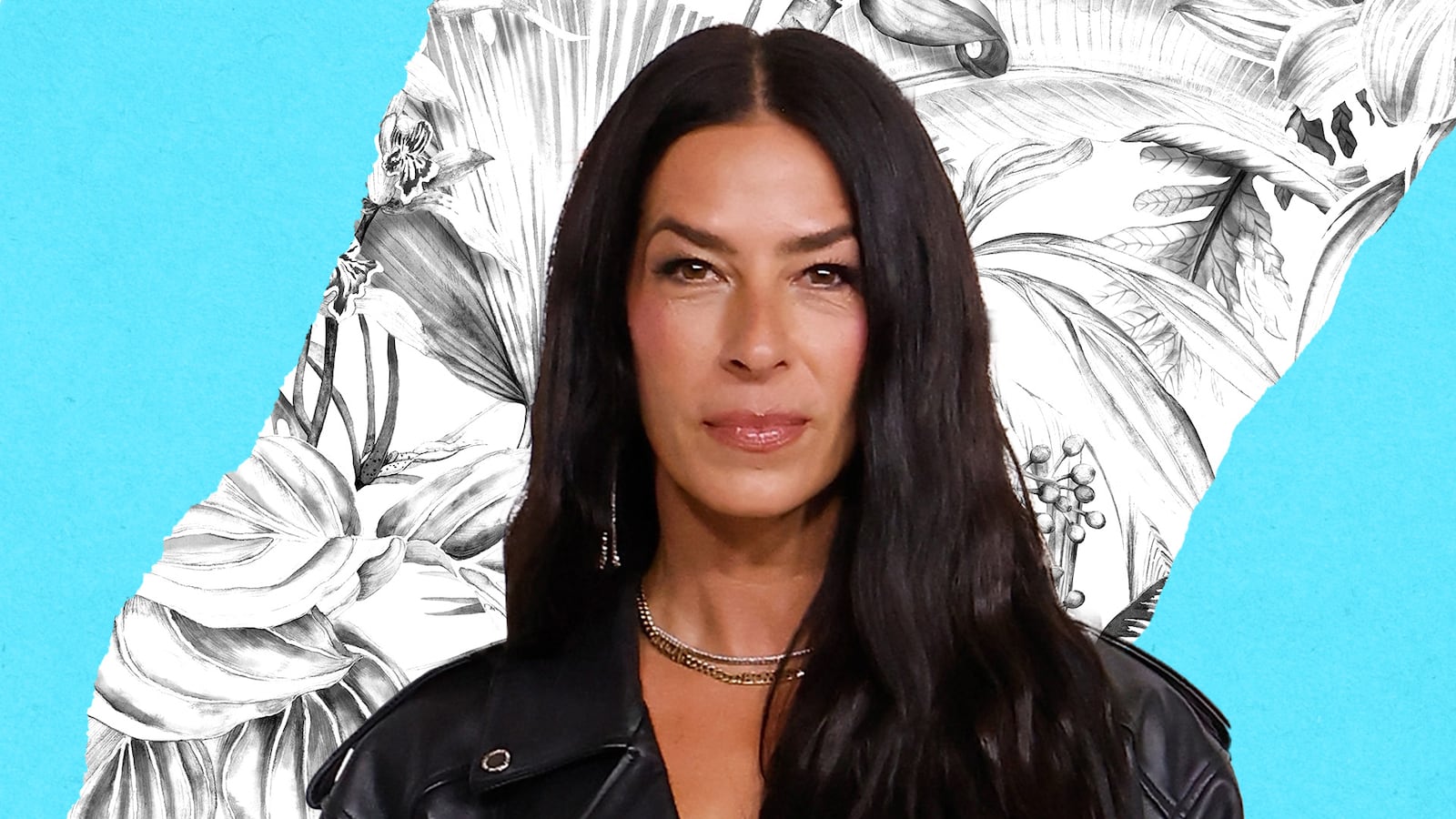
Photo Illustration by Victoria Sunday/The Daily Beast/Getty Images
Perimenopause is the transitional phase leading up to menopause that approximately two million women go through in the U.S. every year. According to the Cleveland Clinic, “perimenopause begins eight to 10 years before menopause,” and can start anytime from your mid-30’s to mid-50’s.
While perimenopause and menopause have long been publicly ignored, several Hollywood stars have in recent weeks opened up about their personal experiences. From Nobody Wants This showrunner Jenni Konner to Naomi Watts, tastemakers have rallied for more open and frank discussion of the changes that occur as women age.
Fashion industry legend Rebecca Minkoff, 45, is grateful for the dialogue that’s happening—and wants more of it, she told The Looker’s senior editor Sam Escobar.
Minkoff, host of the Superwomen with Rebecca Minkoff podcast and co-founder of the Female Founder Collective, said she found herself struggling physically and emotionally after she had a baby two years ago.
Get a First Look
Sign up to receive news and updates from The Looker
By clicking "Sign Up" you agree to our Terms of Use and Privacy Policy.
There was baby weight that just wasn’t coming off. Then she began experiencing mood swings that made her angry at her otherwise wonderful husband “for no reason,” Minkoff recalled. Seeking answers, she took a blood test.
The mother of four discovered she had very little testosterone and estrogen levels that were much, much higher than they should’ve been, making her what some would call “an estrogen-dominant person”. Changes in hormone levels are part and parcel of what makes perimenopause feel, as Jenni Konner said, “the wildest time of [her] life, hormonally.”
Perimenopause is “a zone of chaos,” the designer told Escobar. The ultimate goal is to “just get things to be more stable and predictable.”
Minkoff worked with her providers to go on a mixture of hormone replacement therapies and supplements that eventually helped her find relief.
“It got a lot better,” she says of her physical and mental health after addressing her hormones: “I began to like my husband again.”
Now, one year later, the hormone creams are still part of her “non-negotiables” both morning and night. Upon waking up, Minkoff applies testosterone cream. At night, she rubs progesterone on her belly.
“This is all part of my perimenopausal situation,” she told the Beast. Her vitamin stack currently includes thyroid supplements, iodine, vitamin D, CoQ10, fish oil, magnesium, and a product called Sleep by Perfect Amino, which includes melatonin.
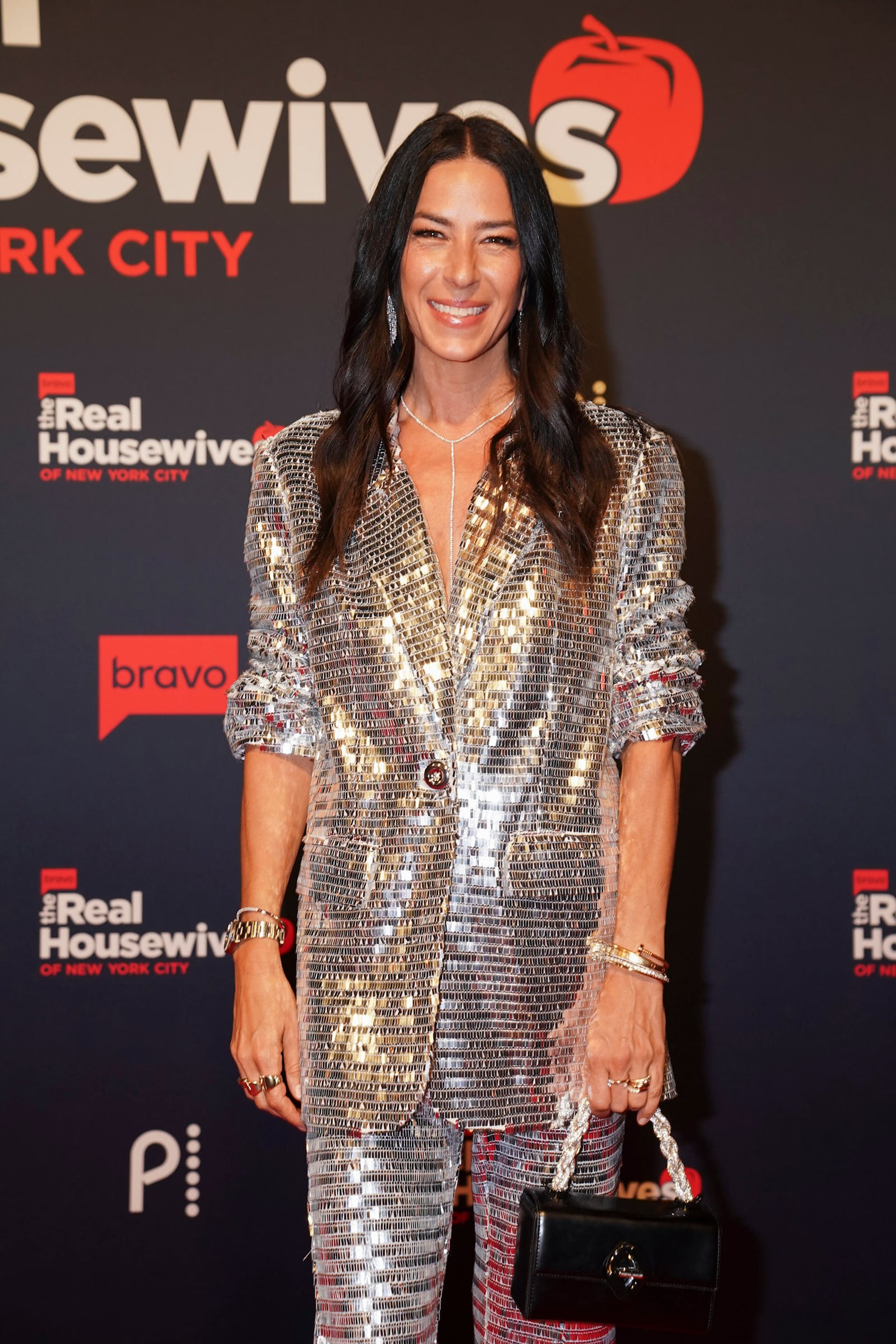
Rebecca Minkoff photographed in 2024.
Bravo/Clifton Prescod/BRAVO via Getty
By talking openly about her personal experience, Minkoff hopes to reassure other women going through a similar hormonal roller coaster. “I’m here to just be like, ‘it’s not you, it’s the hormones. And it can get better.”
All in all, she is grateful for the privilege of aging: an underlying theme that many famous women in their 40s and 50s have emphasized. “People were dying at ages 35 and 40 for hundreds of millions of years…now the body is like, ‘We’re getting old. Now we start freaking out.”
Minkoff also tipped her hat to Watts specifically, as well as other women in the public eye for normalizing the conversation around perimenopause. “God bless them,” she said, “because then people in America will hear about it.”
Unlock a year of full access to The Looker and The Daily Beast for $35.
AnnualSave 48%
- Discounted annual rate
- Access to all articles (web + app)
- Ad-free exclusive newsletters
- Commenting Access
- Daily crossword
- Sneak peek of launches & events
Monthly
- Access to all articles (web + app)
- Ad-free exclusive newsletters
- Commenting Access
- Daily crossword
- Sneak peek of launches & events
Ad-Free
- Premium ad-free reading
- Access to all articles (web + app)
- Ad-free exclusive newsletters
- Commenting Access
- Daily crossword
- Sneak peek of launches & events
Looks like you already have a subscription!
You're all set!
Thanks for subscribing.
Register below to read this article for free or subscribe to unlock unlimited access to The Looker and The Daily Beast.
AnnualSave 48%
- Discounted annual rate
- Access to all articles (web + app)
- Ad-free exclusive newsletters
- Commenting Access
- Daily crossword
- Sneak peek of launches & events
Monthly
- Access to all articles (web + app)
- Ad-free exclusive newsletters
- Commenting Access
- Daily crossword
- Sneak peek of launches & events
Ad-Free
- Premium ad-free reading
- Access to all articles (web + app)
- Ad-free exclusive newsletters
- Commenting Access
- Daily crossword
- Sneak peek of launches & events
Already have an account? Sign In
Looks like you already have a subscription!
You're all set!
Thanks for subscribing.
Sign in
Login dialog