What Happens to Your Feet at 35,000 Feet in the Air
Cankles on flights are common. Here’s the best way to prevent them, according to podiatrists.

Elizabeth Brockway/The Daily Beast
Somewhere between the pointed-toe stilettos, block-heel boots, and chunky wedges, we forget to take care of the feet that wear them. Trends come and go, but healthy feet never go out of style. Welcome to Feet Week, our series on what to wear and how to care for everything from your ankles to your toes.
The Looker selects products independently. If you purchase something, we may earn a small commission.
I never thought I’d say this, but there’s exactly one thing the sitting president and I have in common.
While Donald Trump’s “cankles” are a hot topic of discussion these days for other reasons, I’ve found that I struggle with swollen ankles (and calves) during flights. If you’ve ever hopped on an airplane and realized hours into the flight that your feet and ankles had somehow doubled in size, you’re not alone. In fact, doctors say this isn’t uncommon.
Fortunately, travel-induced ankle swelling can be prevented with the right circulation-boosting tools.
Get a First Look
Sign up to receive news and updates from The Looker
By clicking "Sign Up" you agree to our Terms of Use and Privacy Policy.
What are cankles?
While cankles is not a medical term, Dr. Toby Ishizuka, a podiatrist with Bay Area Foot Care, says that the term is a blend of “calves” and “ankles,” describing lower legs that are visibly swollen.
“It’s used to describe ankles that appear less defined from the calf—either due to a person’s natural anatomy or swelling in the lower legs and ankles,” he says.
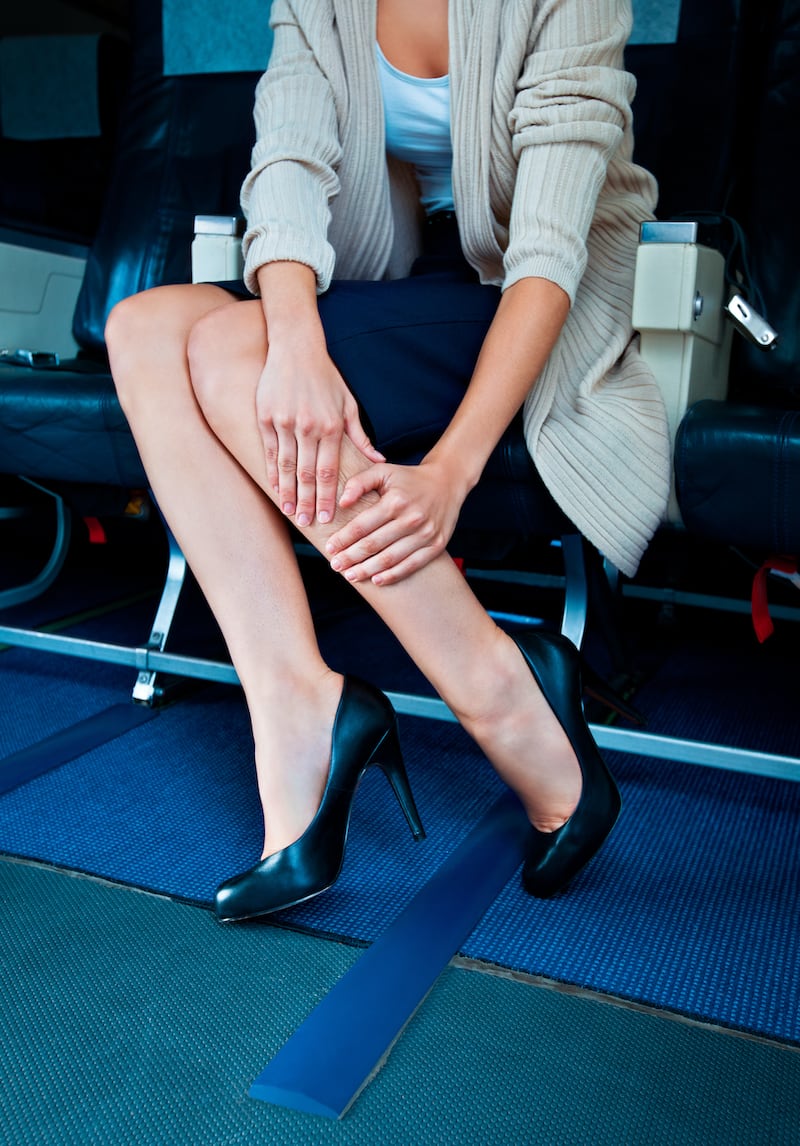
According to the Premier Surgical Vascular and Vein Center, you can perform a simple test to see whether or not you’re experiencing swelling (cankles) in your feet, lower legs, and ankles: Take your finger and push on your cankles. If the skin bounces back fast, that usually means it’s just normal fluid or fat in the area. If it leaves a dent in your skin, that could potentially be a sign of fluid buildup.
Thank you for your assistant/Getty Images/iStockphoto
What causes cankles?
While there are some serious health conditions that can cause cankles, the culprit is often not a reason for concern. Dehydration from consuming too much sodium or drinking alcohol, over-exercising, prolonged inactivity, medication, hormonal shifts, and yes, air travel, can all cause temporary fluid retention.
“Cankles can result from genetics, prolonged standing or sitting, pregnancy, venous insufficiency, or conditions affecting the lymphatic system, such as lymphedema, in which lymphatic fluid accumulates in the tissues due to impaired lymphatic drainage, leading to persistent swelling of the legs and ankles,” Ishizuka adds.
Dr. Regan Bond, a podiatric physician with Weil Foot & Ankle Institute, also highlighted a slew of other health conditions that can lead to swelling in the lower extremities, including obesity, heart, kidney, and thyroid disease.
Why do people get cankles on long flights?
Bond says flying creates somewhat of a perfect storm for temporary swelling.
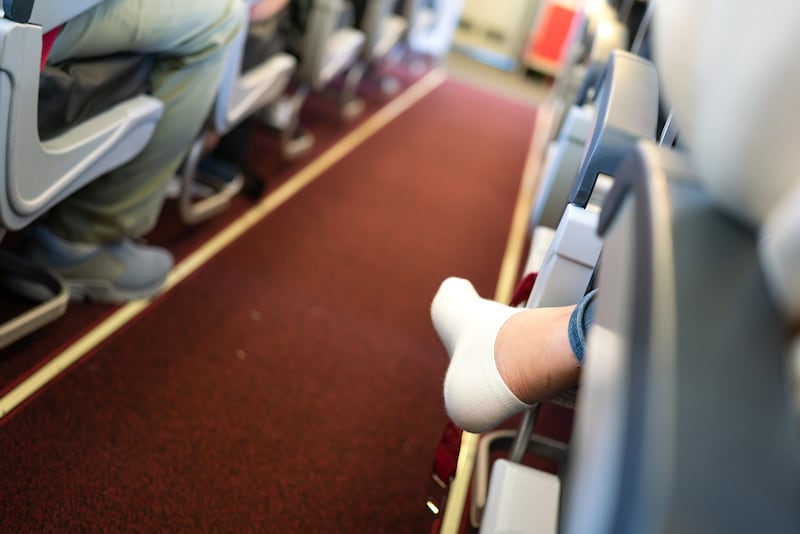
“During long flights, you’re sitting still for extended periods, which reduces the activity of the calf muscles,” she explains. “The calf muscles act as a ‘second heart,’ helping to pump blood and fluid back toward the heart. Without those calf muscles working efficiently, fluid can collect in the feet, ankles, and lower legs—causing cankles.”
Bond also added that while extensive pressure changes, sitting for prolonged periods of time, and dehydration alone are enough to cause swelling, salty snacks and alcohol can exacerbate fluid retention—whether in the air or on the ground.
However, Ishizuka noted that if you’re experiencing swelling on most flights (especially those under three hours), it may be a red flag. “Individuals with an underlying venous disease or lymphedema may be particularly susceptible,” he adds.
Getty.
How to prevent cankles on a flight
Aside from consulting with a physician to rule out any underlying medical conditions, there are a few doctor-recommended ways you can prevent (and alleviate) cankles on a flight.
To minimize swelling, Ishizuka recommends getting up every hour (if and when it’s safe to do so). When you’re not able to stand up, he suggests performing ankle pumps and calf exercises. This helps boost circulation even while seated.
Another simple and discreet way to keep blood flow in check is simply flexing your feet in your seat. “Point and flex your feet 20 to 30 times every hour,” Bond says. “I like doing the ABCs with my toes.”
For something even lower-maintenance, both Ishizuka and Bond recommend wearing compression socks for the duration of your flight. “Wear graduated (tighter at the bottom, looser at top) compression socks. Get up and walk every one to two hours when it is safe to do so—even back and forth to the bathroom helps,” Bond says.
Research shows that compression socks help reduce ankle and calf swelling because they apply gentle, graduated pressure to the legs that shrinks the diameter of major veins. This, in turn, boosts blood flow back toward your heart, preventing any fluid build-up in your lower legs.
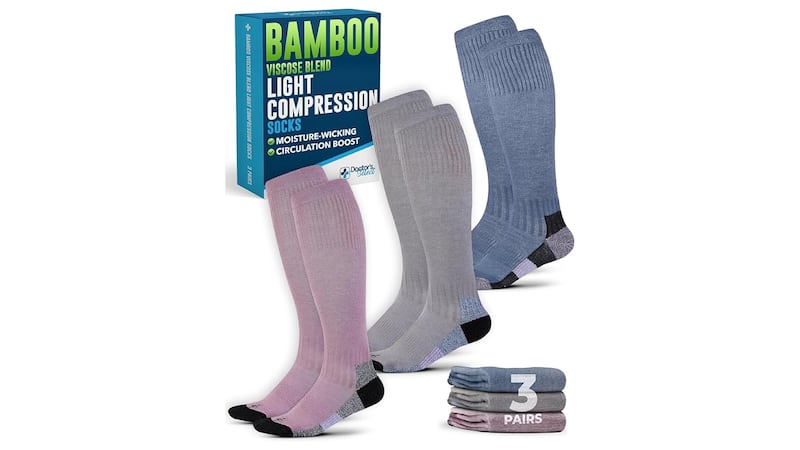
Doctor’s Select Bamboo Compression Socks
Gentle massage can also help prevent and reduce fluid retention because it supports lymphatic drainage and boosts circulation instantly.
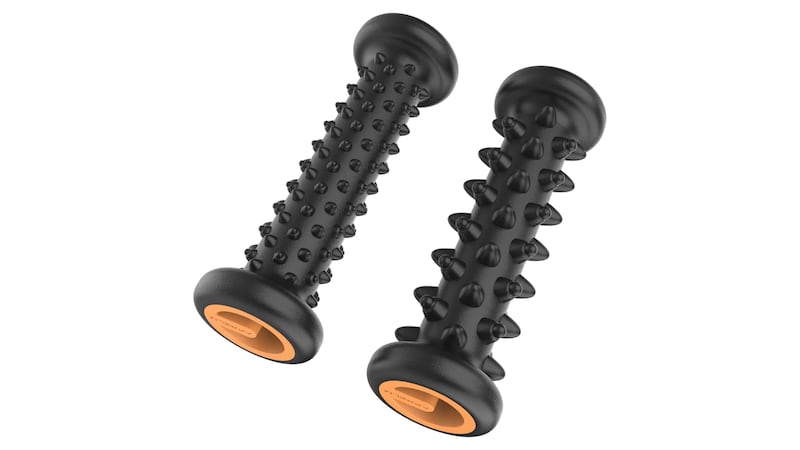
Aprelm Foot Massager Roller
Staying hydrated by drinking enough water (and avoiding excess sodium, alcohol, soda, and processed foods) is the easiest way to keep swelling at bay. Investing in a travel-friendly water bottle will help you stay hydrated during long flights.
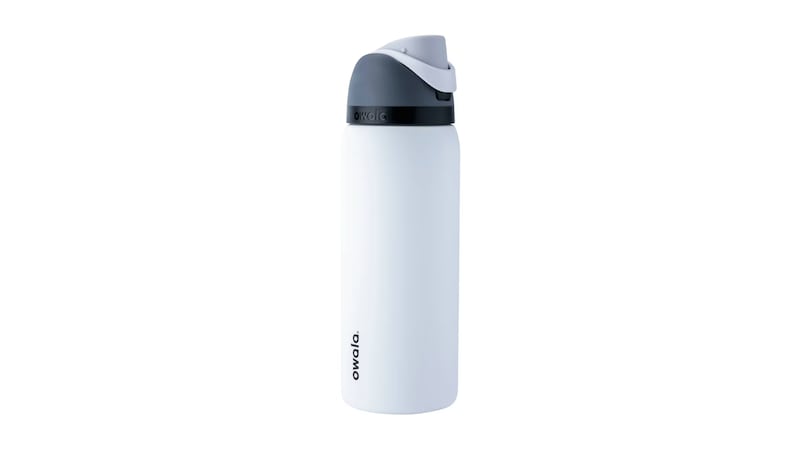
Owala Water Bottle
Elevating your legs is another way to prevent and reduce ankle and foot swelling. Unfortunately, even if you’re flying business or first class, there simply isn’t enough leg room to elevate your legs enough to be effective. The next best thing? Try a travel foot hammock.
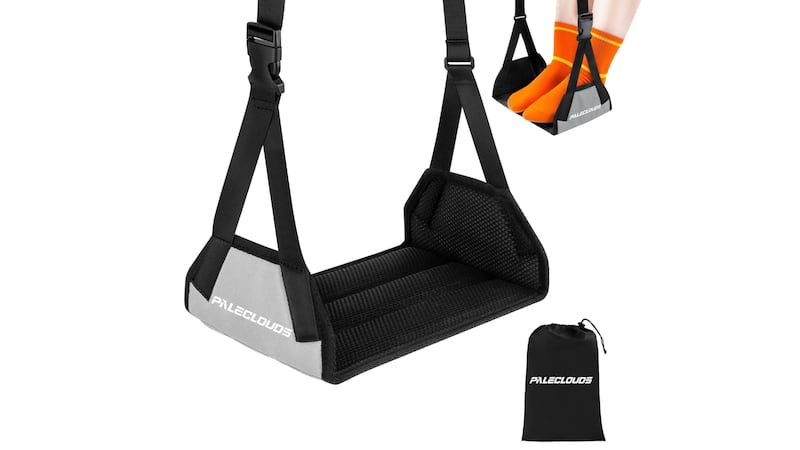
Paleclouds Bamboo Foot Hammock for Plane Travel
Graduated compression socks are an affordable way to keep swelling and fluid retention in check on long flights, but if you want to level up the effects of compression therapy, these portable, mini compression boots are a solid investment—especially for frequent fliers.
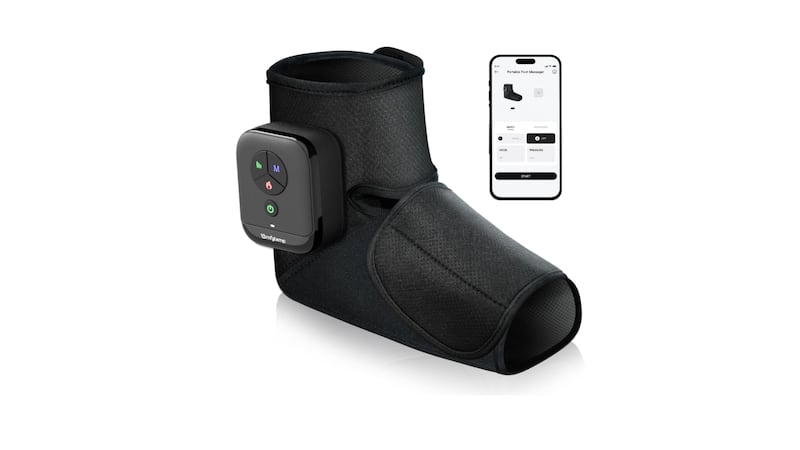
Comfytemp Portable Air Compression Foot Massager With Heat Therapy

Unlock a year of full access to The Looker and The Daily Beast for $35.
AnnualSave 47%
- Discounted annual rate
- Access to all articles (web + app)
- Ad-free exclusive newsletters
- Commenting Access
- Daily crossword
- Sneak peek of launches & events
Monthly
- Access to all articles (web + app)
- Ad-free exclusive newsletters
- Commenting Access
- Daily crossword
- Sneak peek of launches & events
Ad-Free
- Premium ad-free reading
- Access to all articles (web + app)
- Ad-free exclusive newsletters
- Commenting Access
- Daily crossword
- Sneak peek of launches & events
Looks like you already have a subscription!
You're all set!
Thanks for subscribing.
Register below to read this article for free or subscribe to unlock unlimited access to The Looker and The Daily Beast.
AnnualSave 47%
- Discounted annual rate
- Access to all articles (web + app)
- Ad-free exclusive newsletters
- Commenting Access
- Daily crossword
- Sneak peek of launches & events
Monthly
- Access to all articles (web + app)
- Ad-free exclusive newsletters
- Commenting Access
- Daily crossword
- Sneak peek of launches & events
Ad-Free
- Premium ad-free reading
- Access to all articles (web + app)
- Ad-free exclusive newsletters
- Commenting Access
- Daily crossword
- Sneak peek of launches & events
Already have an account? Sign In
Looks like you already have a subscription!
You're all set!
Thanks for subscribing.
Sign in
Login dialog
Loading comments…