Here’s What You Should Eat to Feel Better and Live Longer
Taking on a better diet is one of the most significant commitments you can make, but it’s worth its weight in gold.

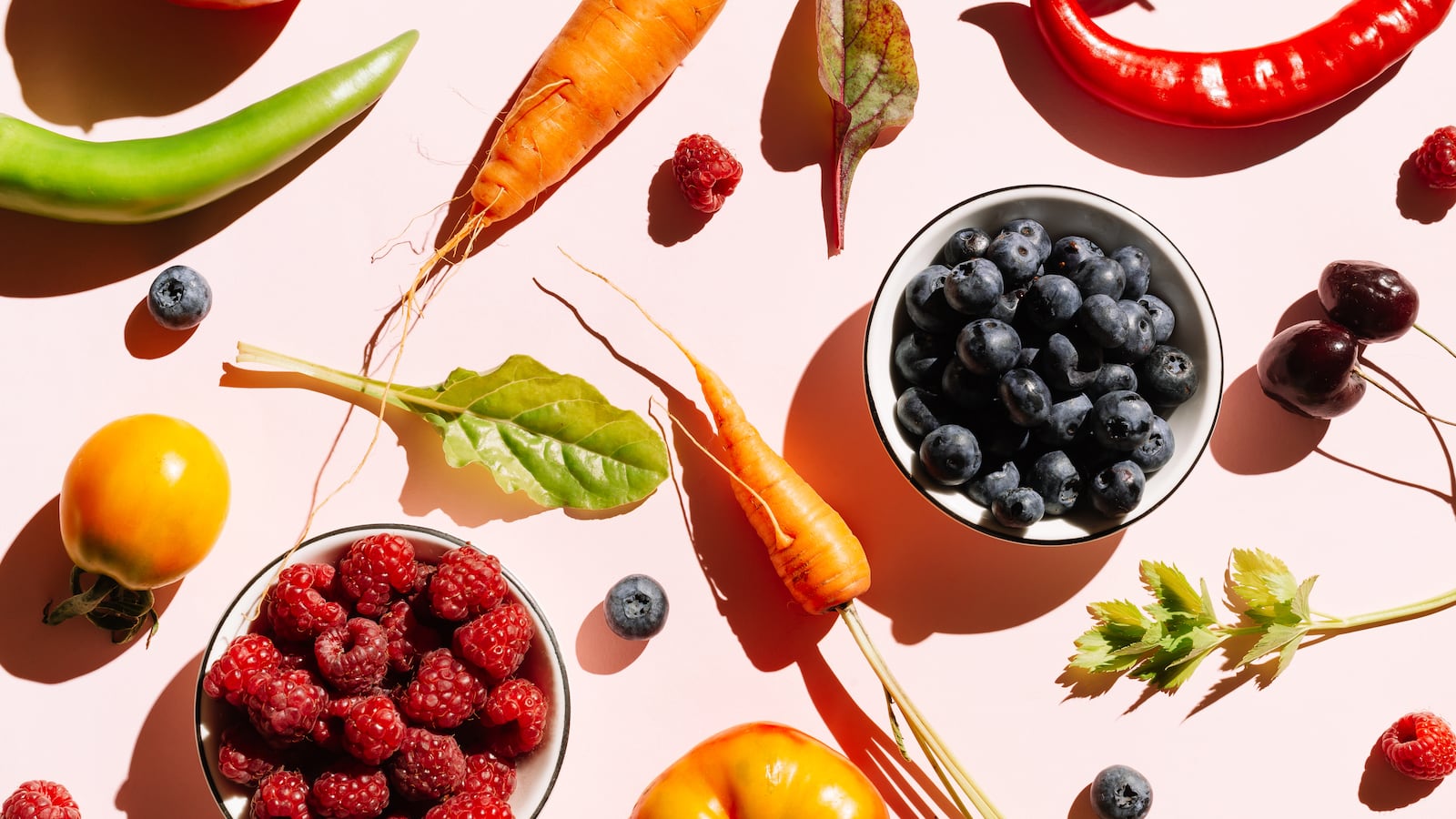
Tanja Ivanova/Getty Images
Who doesn’t want a little more time on this earth? One of the primary requisites of achieving a longer, healthier life is simple: eating a streamlined, nutritious diet. It sounds easy on the surface, but the road to eating better can be more complicated and often involves rethinking many aspects of our lives. Here’s how real women made these changes in their own lives.
Seize the Day, Cook the Meal
Lauren Woulard, a 37-year-old communications executive and creator based in New York City and New Orleans, decided to alter her diet to focus on longevity in the summer of 2025. “I decided to get serious about my health and fitness journey, which meant changing my diet and committing to that change,” she said. “I’m eating way less processed foods and a lot more foods rich in fiber and antioxidants: whole grains, fruit, vegetables, and fish.”
Woulard decided to consistently include fish, brown rice, dark leafy greens like kale, lean ground turkey, skinless chicken, and vegetables (particularly broccoli, cabbage, peas, and zucchini) in her diet. This also required her to change the circumstances surrounding her meals. “Now, I prepare most of my meals, and that also sometimes consists of grabbing easy-to-make meals at the grocery store,” she says, adding that she always drinks plenty of water throughout the day, too.
While dropping pounds was not the focus of her dietary changes, Woulard says she nevertheless experienced significant weight loss as a result of these intentional, everyday adjustments. Her mindset, too, has completely shifted.
Get a First Look
Sign up to receive news and updates from The Looker
By clicking "Sign Up" you agree to our Terms of Use and Privacy Policy.
“I’m eating to live and not letting food control me, but being in control of my attachment to food,” she told The Looker. “I took my body and being ‘young’ for granted, but the closer I get to approaching 40, the more emphasis I have been putting on looking and feeling my best going into a new chapter of my life.”
Eating With Intent
Patrice Le Goy, 47, a psychologist and marriage and family therapist in Los Angeles, makes an effort to eat a balanced diet to help her prioritize not only longevity but also quality of life.
“I aim to eat a variety of organic fruits and vegetables, lean protein, and complex carbs,” she told The Looker. “At the same time, it’s also important to me that I enjoy the food I eat, so I’m not strict all the time.”
Le Goy found her priorities changing as she aged, leading to an evolution in how she viewed nutrition. “When I was younger, eating and nutrition had more to do with how it affected my physical appearance,” she recalls. “Now, I am more focused on the quality of life and how the way I eat makes me feel.”
Over time, other facts crept in, prompting subtle adjustments in Le Goy’s mindset. Parenthood led her to rethink her approach to eating, as she wanted to set a better example for her child. On the other end of the spectrum, seeing her mother struggle with dementia made Le Goy recognize the importance of brain health through proper nutrition.

Healthy foods overhead
Alexander Spatari/Getty Images
Experiencing perimenopause, too, pushed Le Goy to reevaluate her lifestyle for the newest stage of her life. The dietary revisions she’s made now provide her body with steady energy, preventing brain fog and fatigue throughout the day.
For Le Goy, the physical benefits are only the beginning. Her changes have facilitated better interpersonal relationships and a more active life outside the home.
“My diet helps keep me in tune with my body and what it needs. My lifestyle and social life are essential to me, so I wouldn’t be able to commit to a diet that required me to eat only at home or to follow a rigid regimen,” Le Goy told The Looker. “I spend time outside, get a lot of exercise, and prioritize time with family and friends, as these also emphasize longevity and quality of life.”
What the Experts Say
According to Karla Robinson, a board-certified family physician and the chief clinical officer of Twentyeight Health, fueling our bodies with a nutritious, well-balanced diet or loading our refrigerators and kitchens with “superfoods” helps reduce the likelihood of chronic diseases and conditions that can lead to premature death.
How does a person’s ideal diet change once they hit their 40s and 50s? Robinson believes that there’s no specific diet for aging. But a balanced diet has been shown to benefit everyone, regardless of age. She believes in leveraging superfoods and adopting a Mediterranean diet as a sound pathway to longevity.
“A Mediterranean diet has been shown to decrease the risk of chronic conditions that are more common in people as they age, like diabetes, high blood pressure, and heart disease,” she says. “But you don’t have to wait until you’re middle-aged to start. The earlier you develop nutritious eating habits, the more likely you are to prevent certain chronic diseases as you age,” she says.
Of course, it’s always worthwhile to do your own research and consult expert opinions tailored to your needs. Ashley Carter, Registered Dietitian and Co-Founder of EatWell Exchange, argues that the road to holistic health doesn’t have to be linear. “Every year, there’s a new superfood, with claims that it’s the one food you need to be healthier and live longer,” she tells The Looker.
Instead of stressing yourself out, aiming for a regimented diet, or paying for an overpriced salad or smoothie at Erewhon, Carter suggests going back to basics and focusing on foods we may already be familiar with from our upbringing. The CDC reports that nearly 60% of U.S. adults have at least one chronic condition. Many of these conditions, especially among marginalized communities, can be prevented or improved by implementing consistent dietary changes.
According to Carter, leafy greens are rich in vitamin K, folate, calcium, iron, and magnesium, which are linked to reducing the risk of cognitive decline and helping with bone density, which starts to decline as we get older.
So, what types of foods should people avoid, or eat sparingly, particularly as they age? Robinson suggests limiting or avoiding altogether foods that may increase your risk for chronic disease. “These include foods high in sugar, salt, or saturated fat,” she says. “You can achieve this by limiting processed foods, snacks, red meat, fried foods, and sugary foods.”
Feeling ready to hit the grocery store? Before you head out, make a list of everything you’ll need, including healthy, nutritious produce and whole grains, while skipping the red meat and highly processed foods with tons of sugar and fat. Now, all you need to do is stick to the plan.
Unlock a year of full access to The Looker and The Daily Beast for $35.
AnnualSave 48%
- Discounted annual rate
- Access to all articles (web + app)
- Ad-free exclusive newsletters
- Commenting Access
- Daily crossword
- Sneak peek of launches & events
Monthly
- Access to all articles (web + app)
- Ad-free exclusive newsletters
- Commenting Access
- Daily crossword
- Sneak peek of launches & events
Ad-Free
- Premium ad-free reading
- Access to all articles (web + app)
- Ad-free exclusive newsletters
- Commenting Access
- Daily crossword
- Sneak peek of launches & events
Looks like you already have a subscription!
You're all set!
Thanks for subscribing.
Register below to read this article for free or subscribe to unlock unlimited access to The Looker and The Daily Beast.
AnnualSave 48%
- Discounted annual rate
- Access to all articles (web + app)
- Ad-free exclusive newsletters
- Commenting Access
- Daily crossword
- Sneak peek of launches & events
Monthly
- Access to all articles (web + app)
- Ad-free exclusive newsletters
- Commenting Access
- Daily crossword
- Sneak peek of launches & events
Ad-Free
- Premium ad-free reading
- Access to all articles (web + app)
- Ad-free exclusive newsletters
- Commenting Access
- Daily crossword
- Sneak peek of launches & events
Already have an account? Sign In
Looks like you already have a subscription!
You're all set!
Thanks for subscribing.
Sign in
Login dialog