Grim ‘Victorian Disease’ Makes an Alarming Comeback
It can hospitalize up to 90 percent of those who catch it.

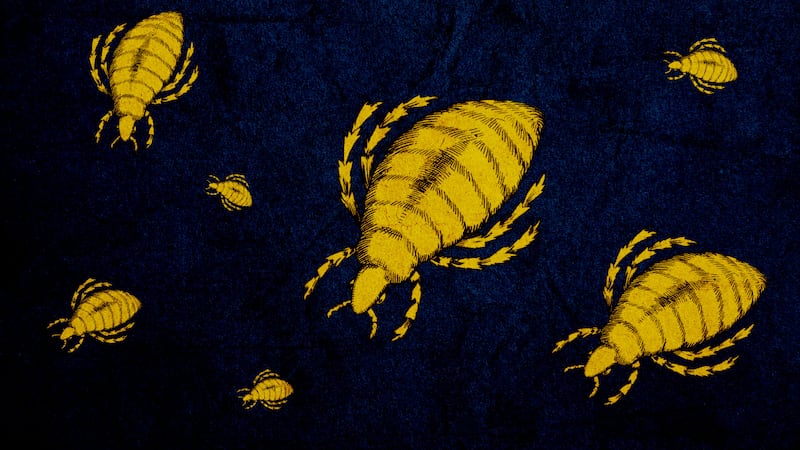
Photo Illustration by The Daily Beast/Public Domain
A fast-spreading “Victorian disease” rarely associated with the modern era is making a comeback.
Flea-borne typhus, a highly contagious bacterial illness, is raising alarm across Los Angeles County as officials report a sharp rise in cases this year. Typhus is sometimes known as “famine fever,” “jail fever,” or “war fever” because it often proliferates during times of crisis.
In 2025 alone, at least 220 infections were confirmed in L.A., already surpassing the previous year’s total of 187, according to the Los Angeles County Department of Public Health.


The numbers come with an especially troubling detail: roughly 90 percent of infected patients end up hospitalized.
Get a First Look
Sign up to receive news and updates from The Looker
By clicking "Sign Up" you agree to our Terms of Use and Privacy Policy.
The disease is transmitted through infected fleas, often carried by animals such as rats and opossums. Humans can become infected when flea feces enter the body through small cuts or scrapes—or even by rubbing the eyes after contact.
Pets can unknowingly bring infected fleas into the home, acting as a bridge between wildlife and humans.
“These cases have been rising year after year. They’re occurring in all areas of our county,” Dr. Aiman Halai, a medical epidemiologist with the county, told ABC News.
Symptoms don’t appear immediately. It can take up to two weeks after exposure for people to start feeling sick—often beginning with fever, chills, body aches, and a rash.


In more serious cases, patients may start to cough, experience gastrointestinal issues, and display neurological symptoms, such as confusion.
For an unfortunate subset of patients, some cases can quickly take a turn for the worse.
“Some patients can develop illnesses where multiple organ systems are involved— and really can result in death,” Halai warned.

California is not the only state experiencing a surge in typhus: In 2025, officials warned that cases were rising in Texas, too.
One of the more concerning aspects of the outbreak is how easily it can go unnoticed at first. Animals carrying infected fleas typically show no signs of illness, meaning pet owners may not realize there’s a risk until it’s too late.
Health officials are urging residents to take prevention seriously—starting with their furry companions. Flea control methods such as topical treatments, oral medications, and flea collars can help disrupt the flea life cycle and reduce the risk of transmission.
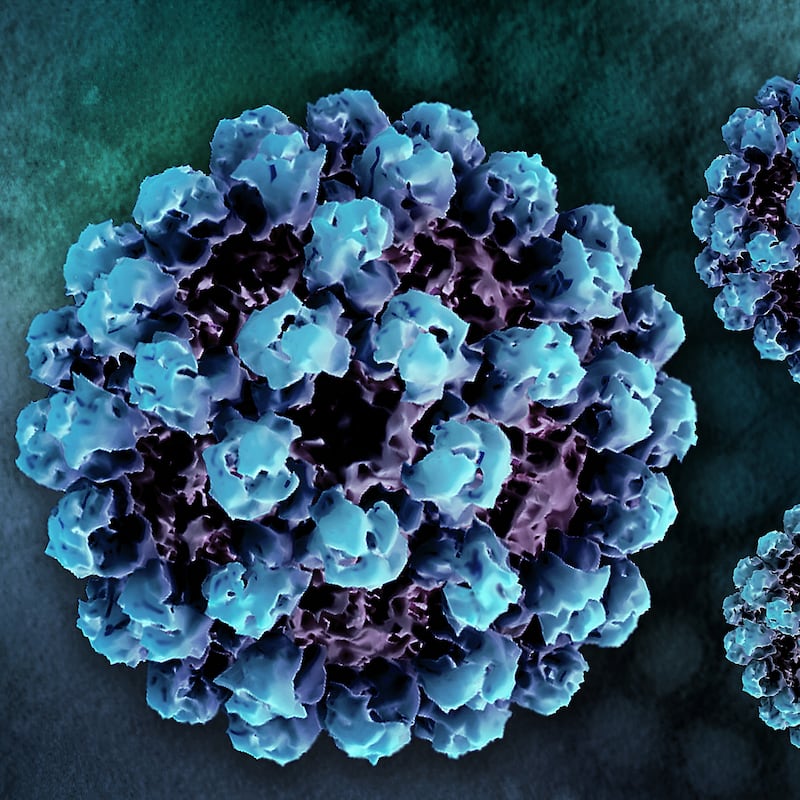
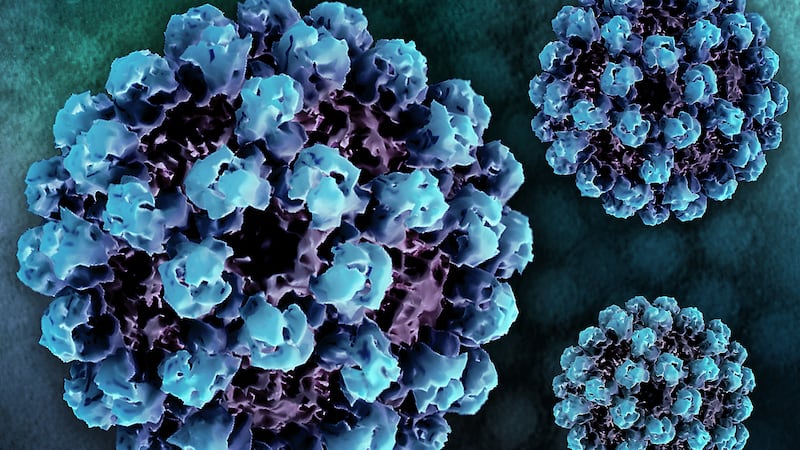
But the precautions don’t stop there for the rapidly spreading disease.
Halai also recommends keeping outdoor spaces tidy to avoid attracting rodents and other wildlife that carry infected fleas. Preventative measures include trimming vegetation, clearing clutter, sealing crawl spaces, and ensuring all trash bins are tightly closed.
Residents are also advised to avoid contact with stray animals, particularly opossums, skunks, raccoons, and rodents.
Despite the alarming rise in cases, there is some good news: flea-borne typhus is treatable.
The Centers for Disease Control and Prevention says most patients respond well to antibiotics—especially when treatment begins early. However, delays in diagnosis can increase the risk of severe illness, making awareness and early action critical.
Unlock a year of full access to The Looker and The Daily Beast for $35.
AnnualSave 48%
- Discounted annual rate
- Access to all articles (web + app)
- Ad-free exclusive newsletters
- Commenting Access
- Daily crossword
- Sneak peek of launches & events
Monthly
- Access to all articles (web + app)
- Ad-free exclusive newsletters
- Commenting Access
- Daily crossword
- Sneak peek of launches & events
Ad-Free
- Premium ad-free reading
- Access to all articles (web + app)
- Ad-free exclusive newsletters
- Commenting Access
- Daily crossword
- Sneak peek of launches & events
Looks like you already have a subscription!
You're all set!
Thanks for subscribing.
Register below to read this article for free or subscribe to unlock unlimited access to The Looker and The Daily Beast.
AnnualSave 48%
- Discounted annual rate
- Access to all articles (web + app)
- Ad-free exclusive newsletters
- Commenting Access
- Daily crossword
- Sneak peek of launches & events
Monthly
- Access to all articles (web + app)
- Ad-free exclusive newsletters
- Commenting Access
- Daily crossword
- Sneak peek of launches & events
Ad-Free
- Premium ad-free reading
- Access to all articles (web + app)
- Ad-free exclusive newsletters
- Commenting Access
- Daily crossword
- Sneak peek of launches & events
Already have an account? Sign In
Looks like you already have a subscription!
You're all set!
Thanks for subscribing.
Sign in
Login dialog